Why print on demand wall art beats t-shirts on margin
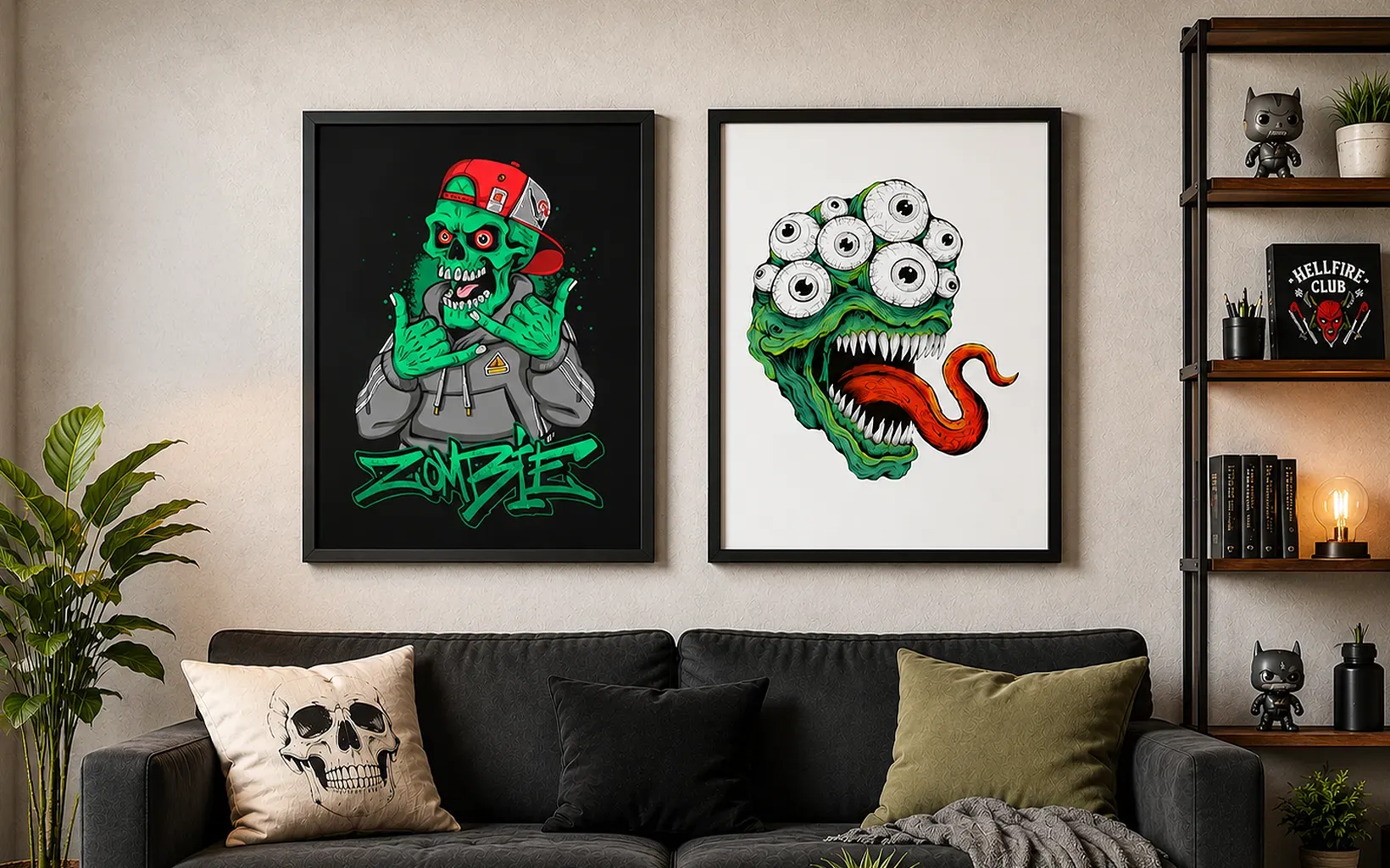
Tags
Interested in joining the world's leading print on demand platform?
If you've been selling print on demand t-shirts for a while, you'll know the feeling. The base costs creep up. A new competitor appears with almost the same design at a lower price. You tweak your margins, run a promotion and wonder at what point the whole thing stops being worth your time.
T-shirts are one of the easiest products to start with in print on demand, and for many sellers, they remain a reliable part of the catalogue. But the margins are thin, the market is competitive and building long-term profit on apparel alone is hard going. The sellers who tend to scale most comfortably are the ones who've added higher-margin products alongside their apparel, and print on demand wall art is where many of them start.
If you'd rather build on solid numbers than hope for volume, this post is for you.
The margin reality for print on demand t-shirts
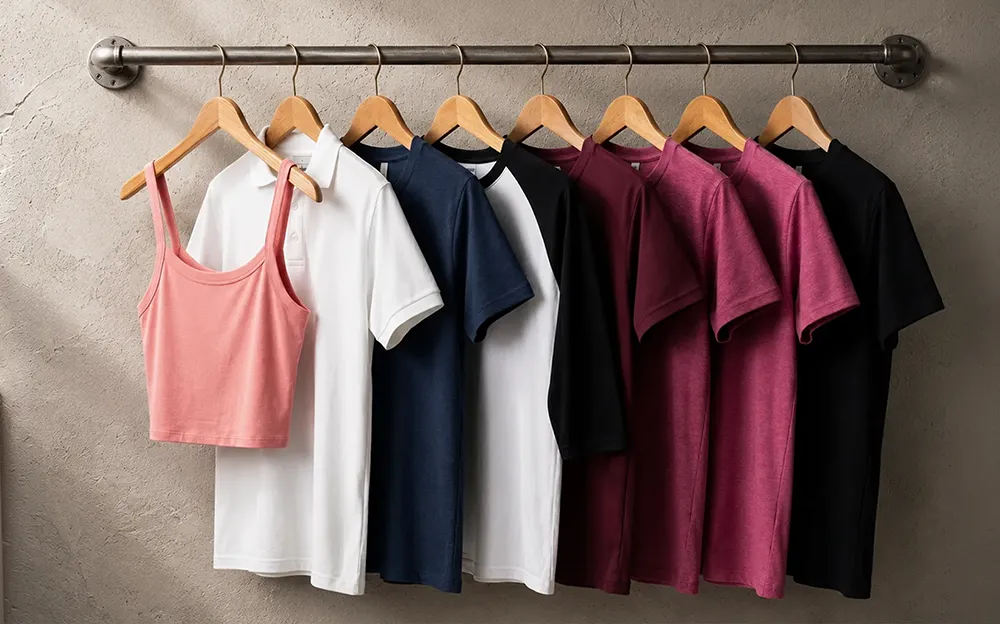
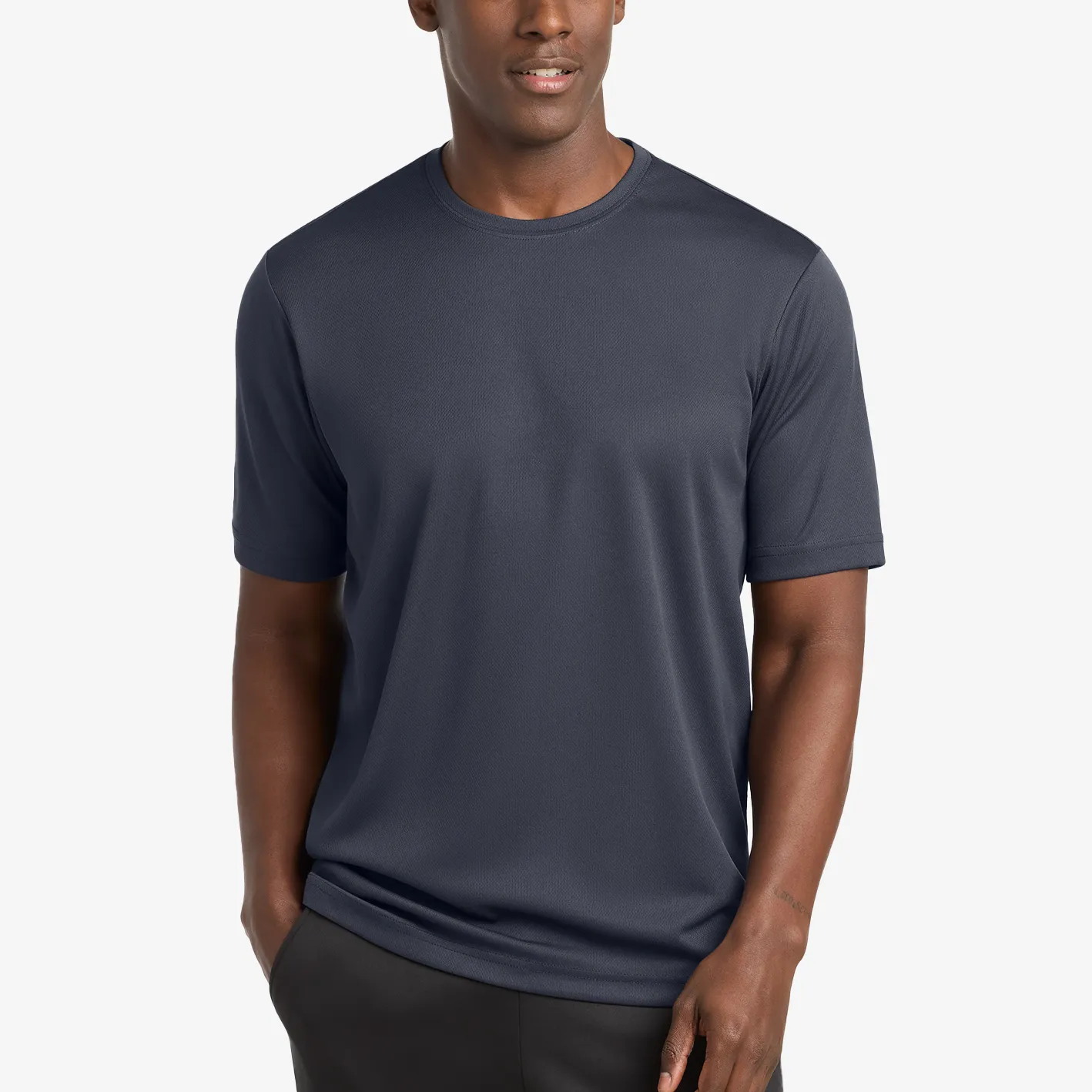
A standard unisex t-shirt might cost you £10–14 to produce and ship. Add in platform fees — Etsy's 6.5% transaction fee plus payment processing, or Shopify's subscription costs — and you're typically keeping £4–8 per sale at a retail price that buyers will accept without too much friction.
And that's before ad spend, reprints or the quiet overhead of keeping an apparel catalogue up to date — new sizes, new blanks, new fits that make last year's mockups look wrong.
Net margins on print on demand t-shirts typically sit between 15% and 25% once all costs are included. That's workable — but it leaves little room to absorb a price change, a shipping surcharge or a slow month. Wall art doesn't solve every problem, but the margin structure is meaningfully different.
Why the economics of wall art work in your favour
Wall art is a considered purchase in a way that most products simply aren't.
When someone buys a t-shirt, they're buying something they'll rotate through with a dozen others. When someone buys a piece of canvas wall art or a framed print, they're committing to something they'll look at every day — something that will occupy a specific space in their home, possibly for years. That permanence changes how they evaluate the decision.
They're not asking "is this worth £20?" They're asking "is this the right piece for that wall?" Those are completely different questions, and the second one is far less likely to end in a price comparison.
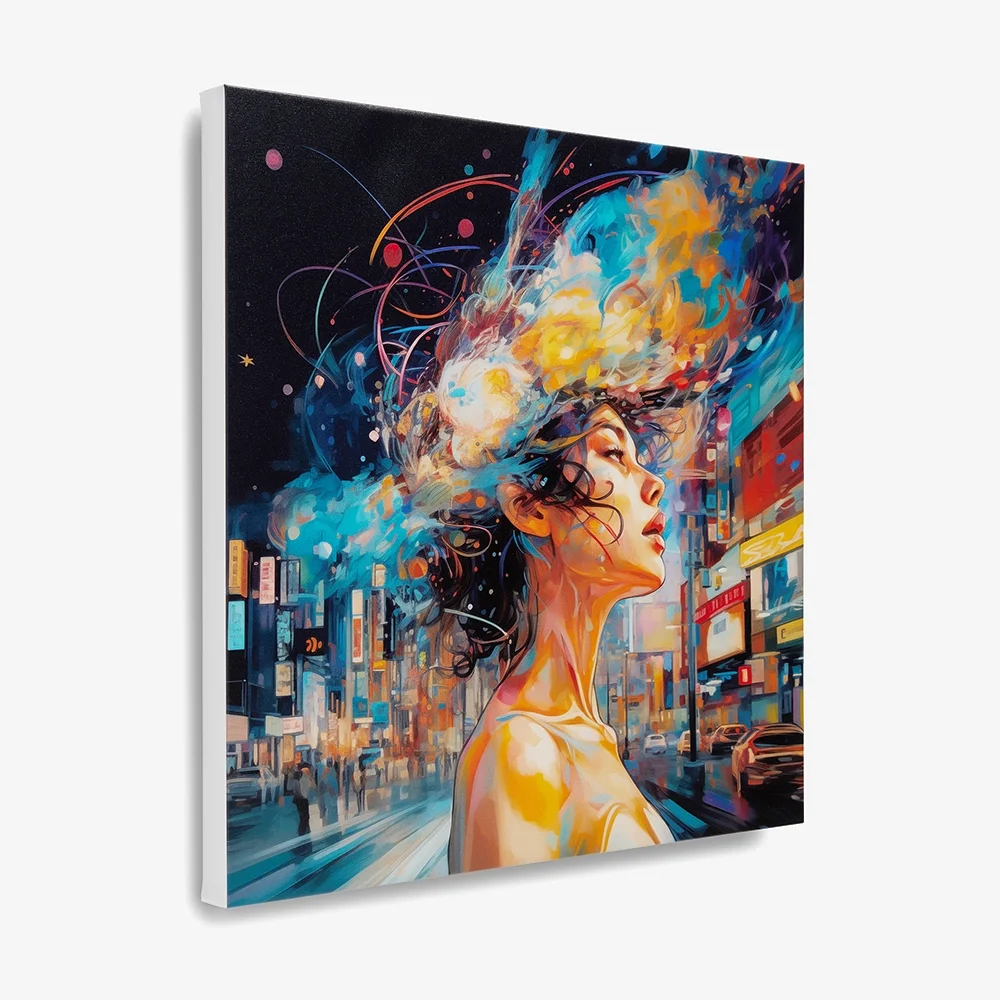
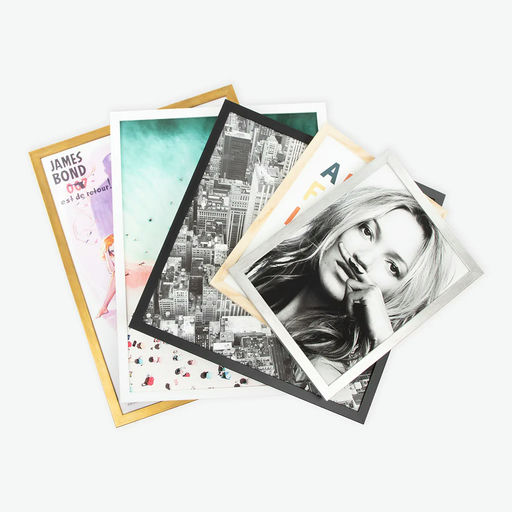
This is why wall art supports a higher retail price without the same resistance. A canvas print that costs £14 to produce can comfortably retail at £55–75 depending on size and finish. A framed print that costs £20 can sell for £70–90. The perceived value is there because the product itself has it — you don't have to manufacture it through branding alone.
Net margins on custom wall art, at realistic retail pricing, typically sit between 40% and 60%. For a seller who already has apparel in their catalogue, adding wall art alongside it changes the overall margin picture considerably.
Canvas wall art, framed prints and more
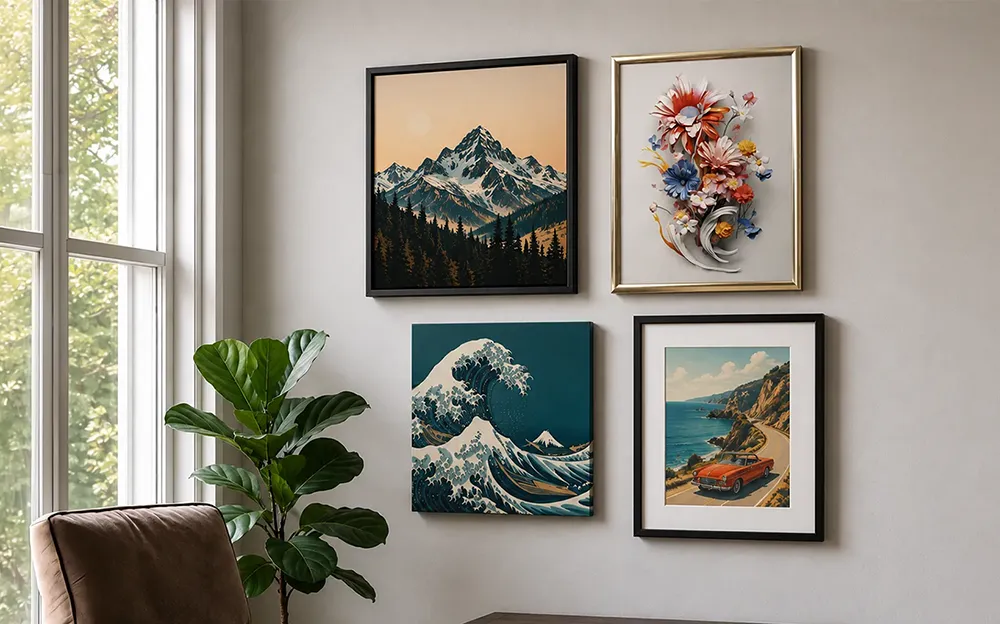
Here's how the main print on demand wall art formats compare — and the kind of buyers each one attracts.
| Format | Best for | What makes it sell |
|---|---|---|
| Canvas wall art | Photography, illustration, statement pieces | Available stretched, framed or rolled; 400gsm artist-grade cotton or recycled eco canvas; hand-finished; extra large sizes available |
| Framed wall art | Broad audiences, gift buyers | More premium than an unframed poster; sustainably sourced wood frames in classic, box and spacer profiles |
| Metal wall art | Photography, contemporary interiors | Distinctive finish, exceptional durability; ChromaLuxe® or Dibond® |
| Acrylic wall art | Photographers, digital artists | High-gloss contemporary finish that photographs well; strong home decor appeal |
| Wooden wall art | Niche audiences, eco-conscious buyers | Warm, organic maple finish; certified sustainable; less competition, less price sensitivity |
Not sure which format to choose? Order a sample
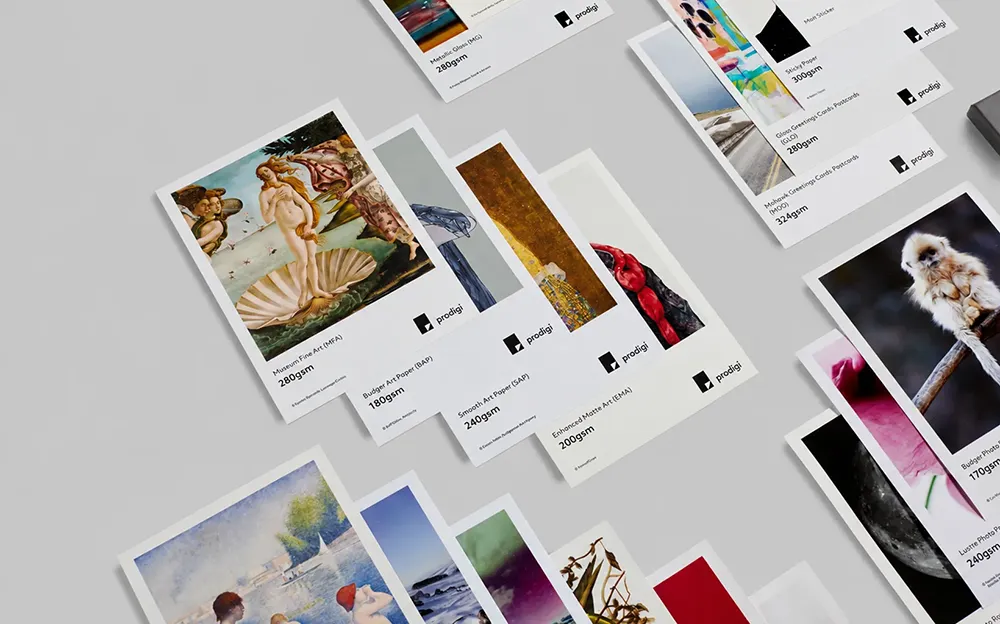
Choosing a format is easier once you've seen and handled the product. Prodigi offers two ways to sample before you commit: a sample pack of popular products across the catalogue, or 50% off your first sample order — useful if you want to check the quality of the product before listing it for sale.
Frequently asked questions
Is print on demand wall art profitable?
Yes. Both canvas prints and framed wall art consistently deliver net margins of 40–60% at realistic retail pricing. The production cost is higher than print on demand t-shirts, but so is the selling price — and wall art buyers are considerably less price-sensitive. For sellers with an existing apparel catalogue, it's a strong addition rather than a replacement.
What are the bestselling wall art formats?
Canvas wall art is the most searched-for format and usually the easiest to sell. Framed wall art performs well across a wide range of niches and price points. Metal prints and acrylic prints have a smaller but more loyal buyer base and lower competition. Wooden prints appeal to buyers looking for something unusual and distinctive.
Do I need a large catalogue to start selling custom wall art?
No. Starting with five to ten designs in two or three formats is enough to test whether a niche has traction. Focus on quality and listing presentation before scale — a small catalogue with strong website mockups and well-written descriptions will outperform a large one with weak imagery.
How does fulfilment location affect my wall art margins?
Significantly. Wall art is heavier and more fragile than apparel, which means international shipping costs are higher. Choosing a supplier with in-house production in the key markets you're serving — particularly the UK, EU and US — reduces both shipping cost and transit risk.
What file specifications should I use for wall art?
Most print on demand platforms for wall art require high-resolution files, typically at least 150–300 DPI at the print size. For canvas and framed prints, RGB colour space (sRGB) is standard. Always check the specific requirements for each product format and size. See our detailed guide on how to create print on demand wall art for more information.
Can I sell custom wall art on Etsy through Prodigi?
Yes. Our Etsy integration connects directly to your Etsy shop and handles fulfilment automatically. Orders placed on Etsy are routed to Prodigi's nearest production facility and dispatched directly to your customer, white-label with no Prodigi branding. Prodigi also integrates with Shopify, Wix, TikTok and more.
Start selling print on demand wall art today. Free account. No minimums. Orders shipped and fulfilled for you. Get started.
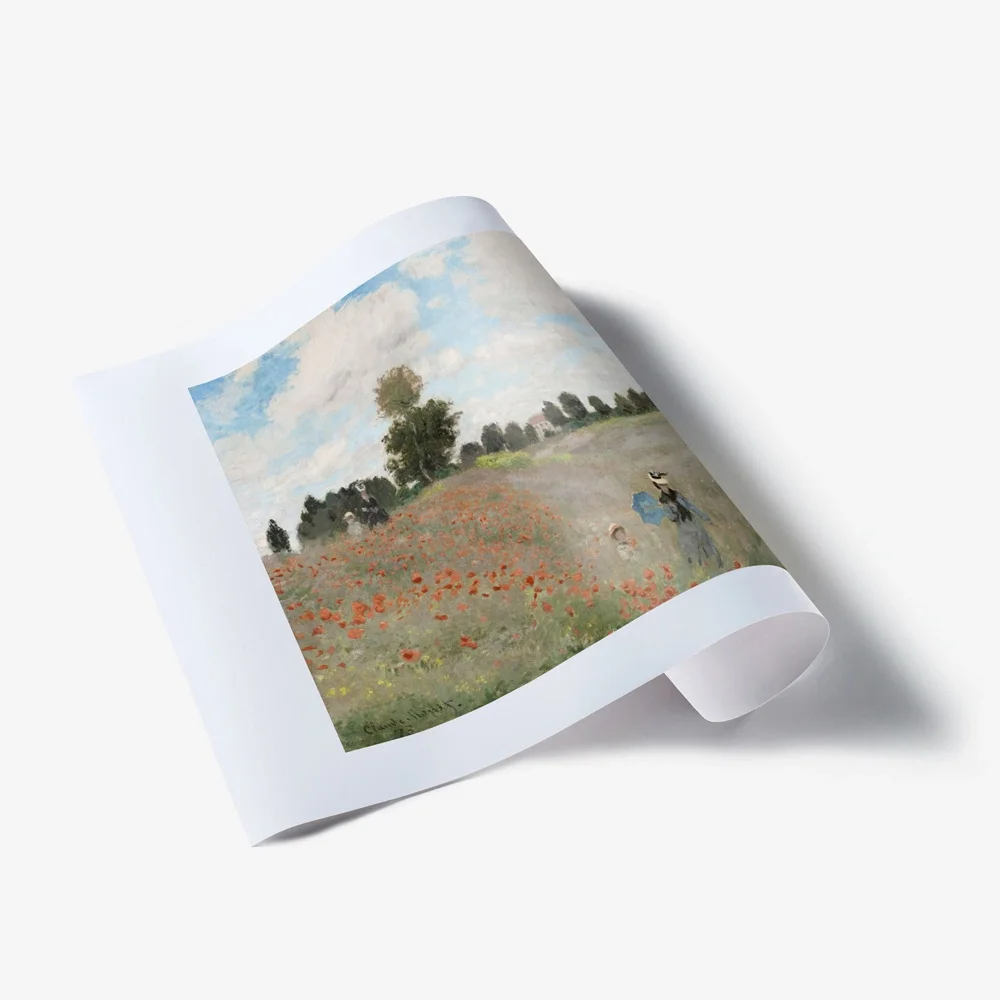
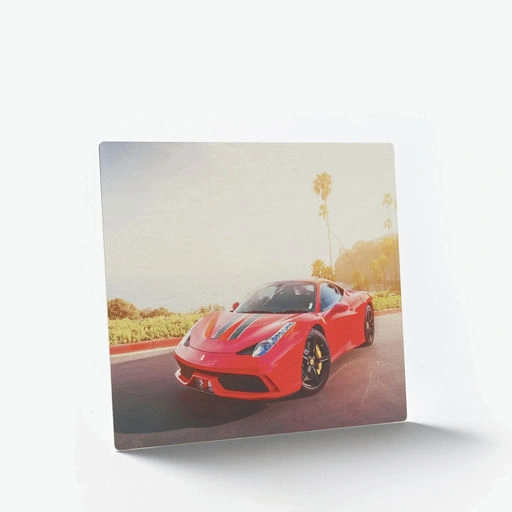
Products in this article
Further reading
-

How to price a product: A guide for small businesses
1 December 2022
-

Using social media channels to increase ecommerce sales
16 April 2021
-
Verisart X Prodigi: Mint & sell NFTs on Shopify
9 November 2022
-
Create orders & product mockups in one place with our new mockup tool
16 February 2024