Case StudyAuthistical Art
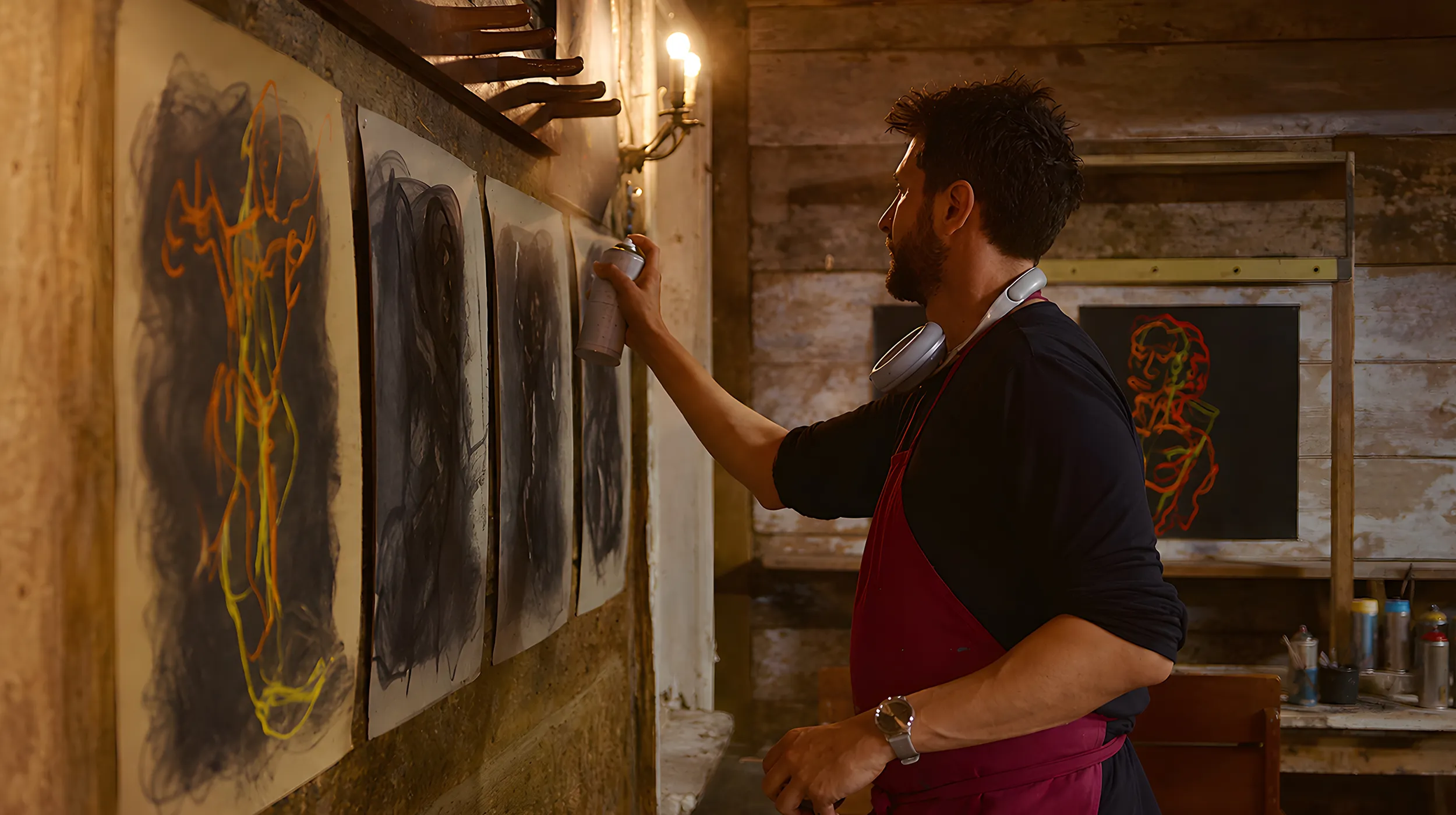

Romanian-born artist Bogdan Jensen creates figurative pastel and oil paintings that explore the many facets of the human experience.
About Authistical Art
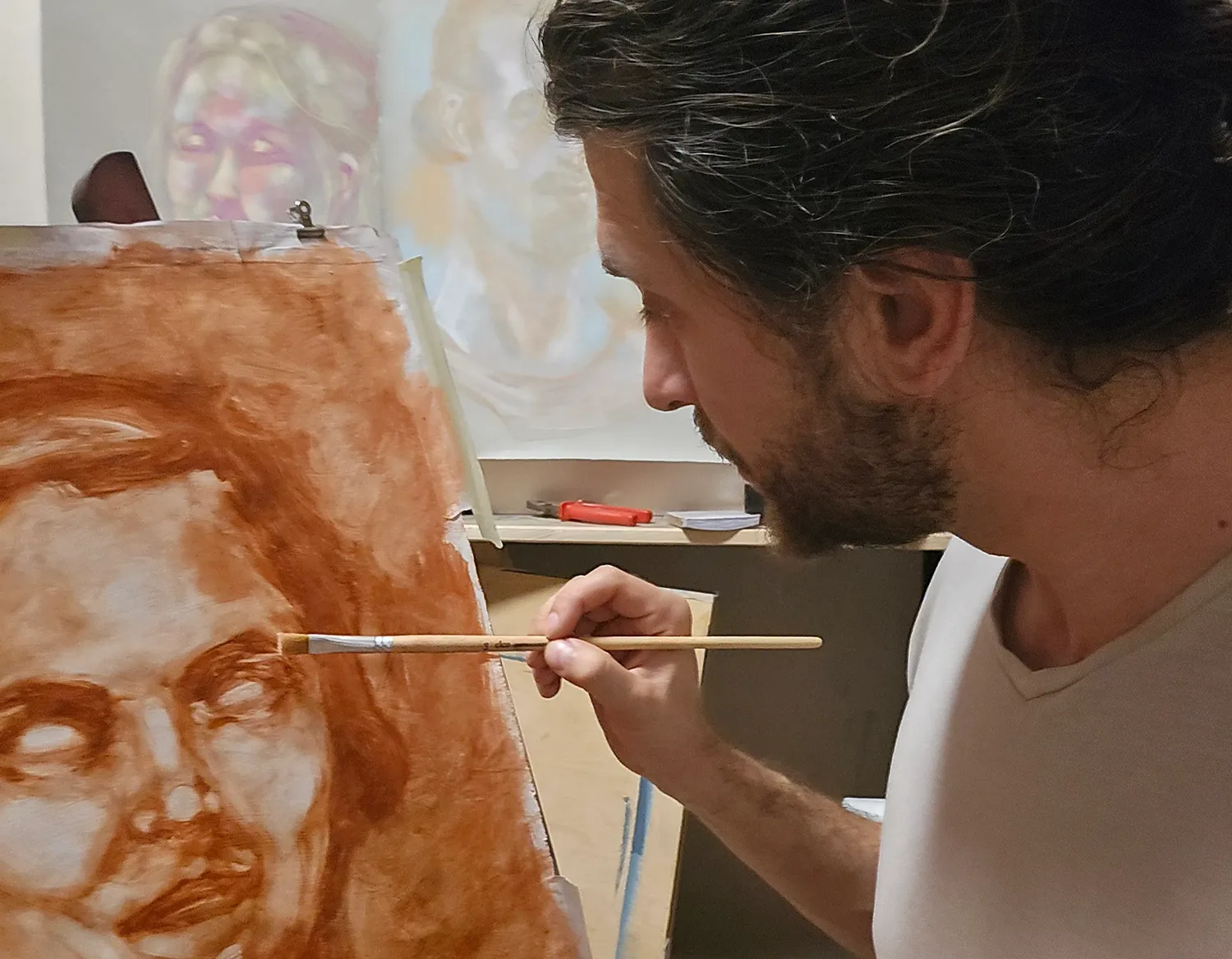
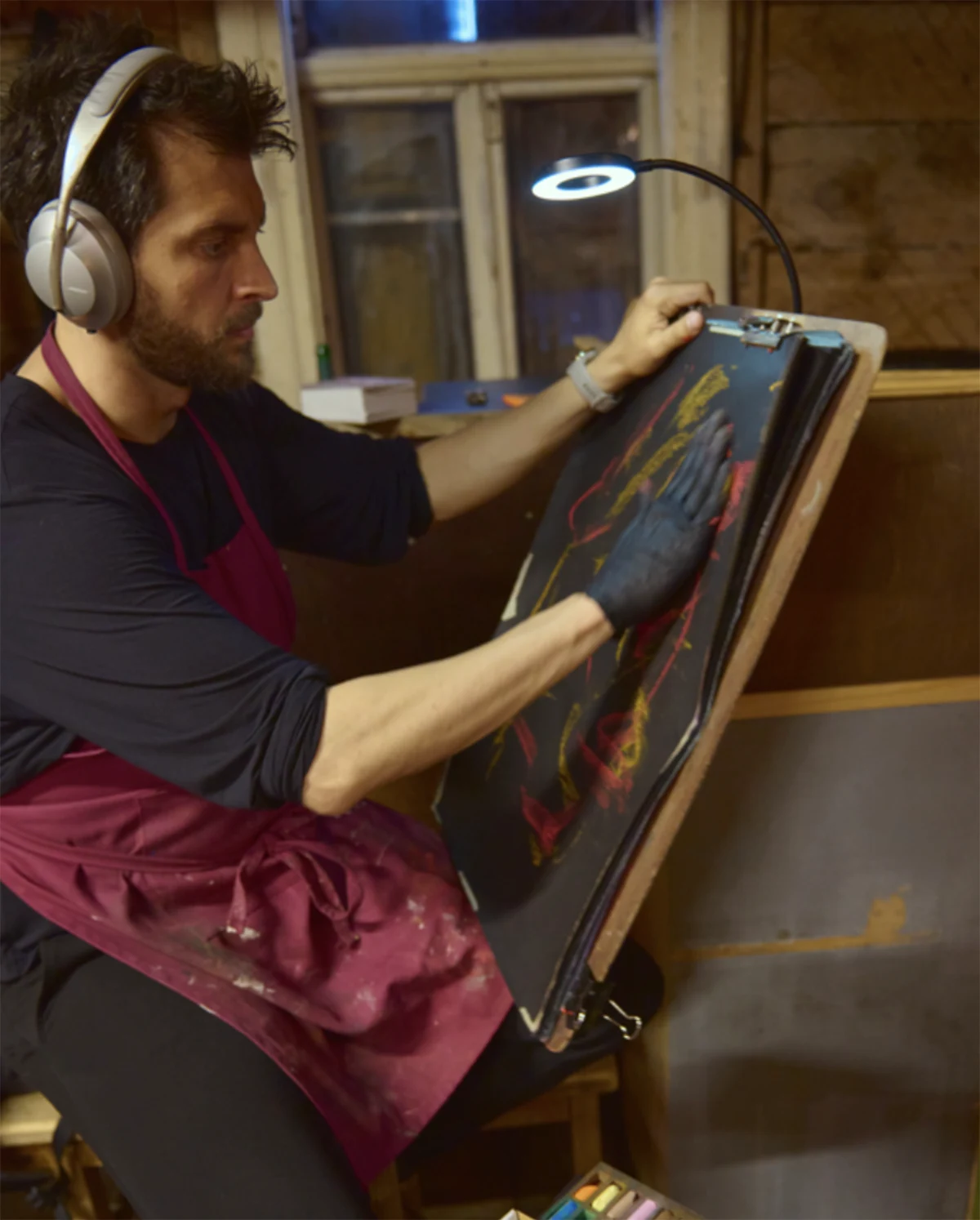
From his studio in Berlin, autistic artist Bogdan Jensen creates figurative pastel and oil paintings that explore the full spectrum of the human condition. "Art has become one of the few things I can do without too much friction," he says. "The business infrastructure surrounding art is another matter."
For years, that friction extended to reproducing his work as fine art prints. As a painter, Bogdan initially rejected the idea. "I associated prints with compromise," he explains — "a diminished version of an original artwork, reproduced primarily to make it cheaper and easier to sell."
That changed when he began researching museum-quality fine art printing. A well-made Giclée print, he realised, didn't have to pretend to be something it wasn't. Instead, it could become something distinct in its own right. His search eventually led him to Prodigi, where he discovered print on demand.
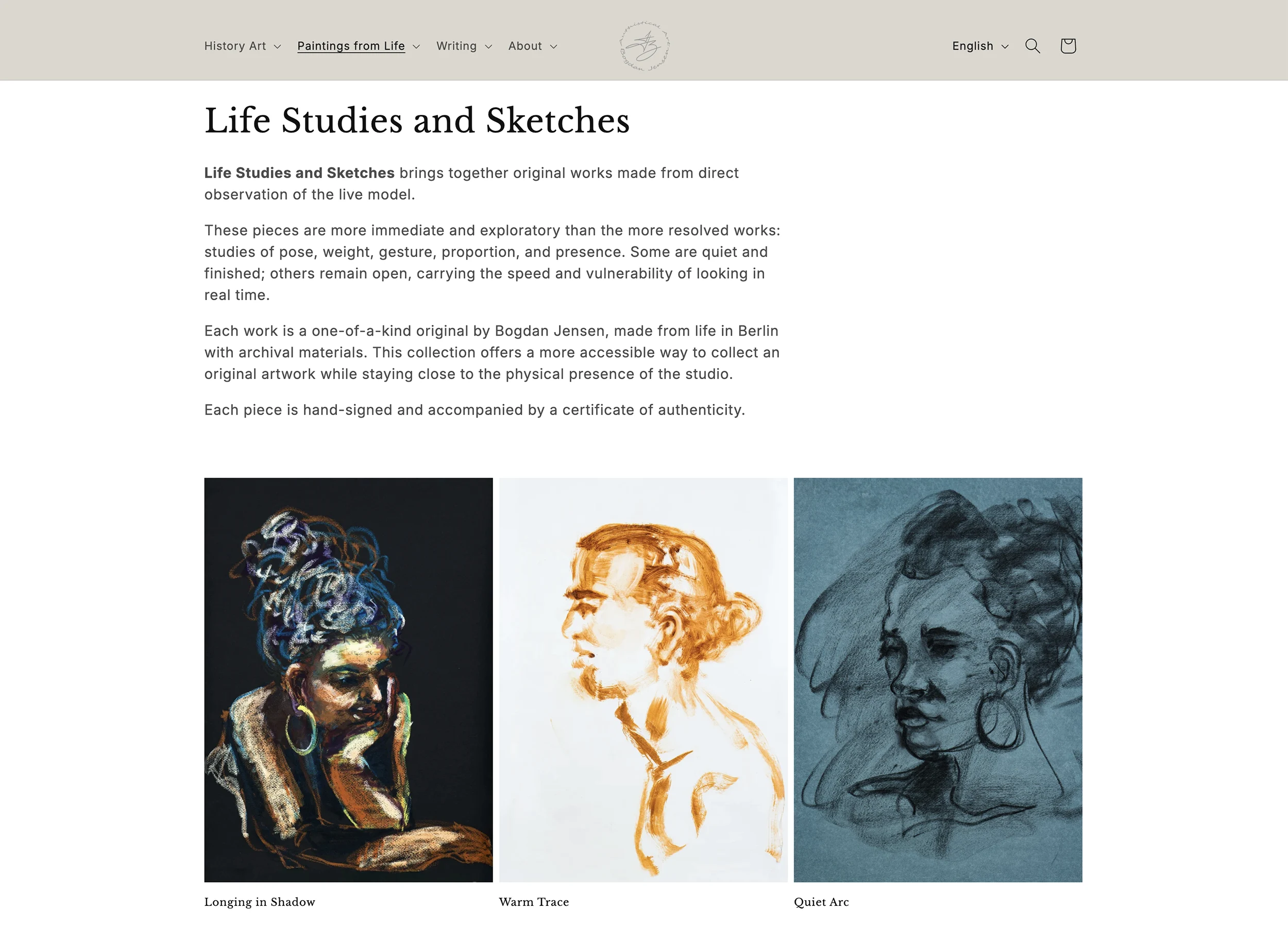
Finding a way to scale without compromise
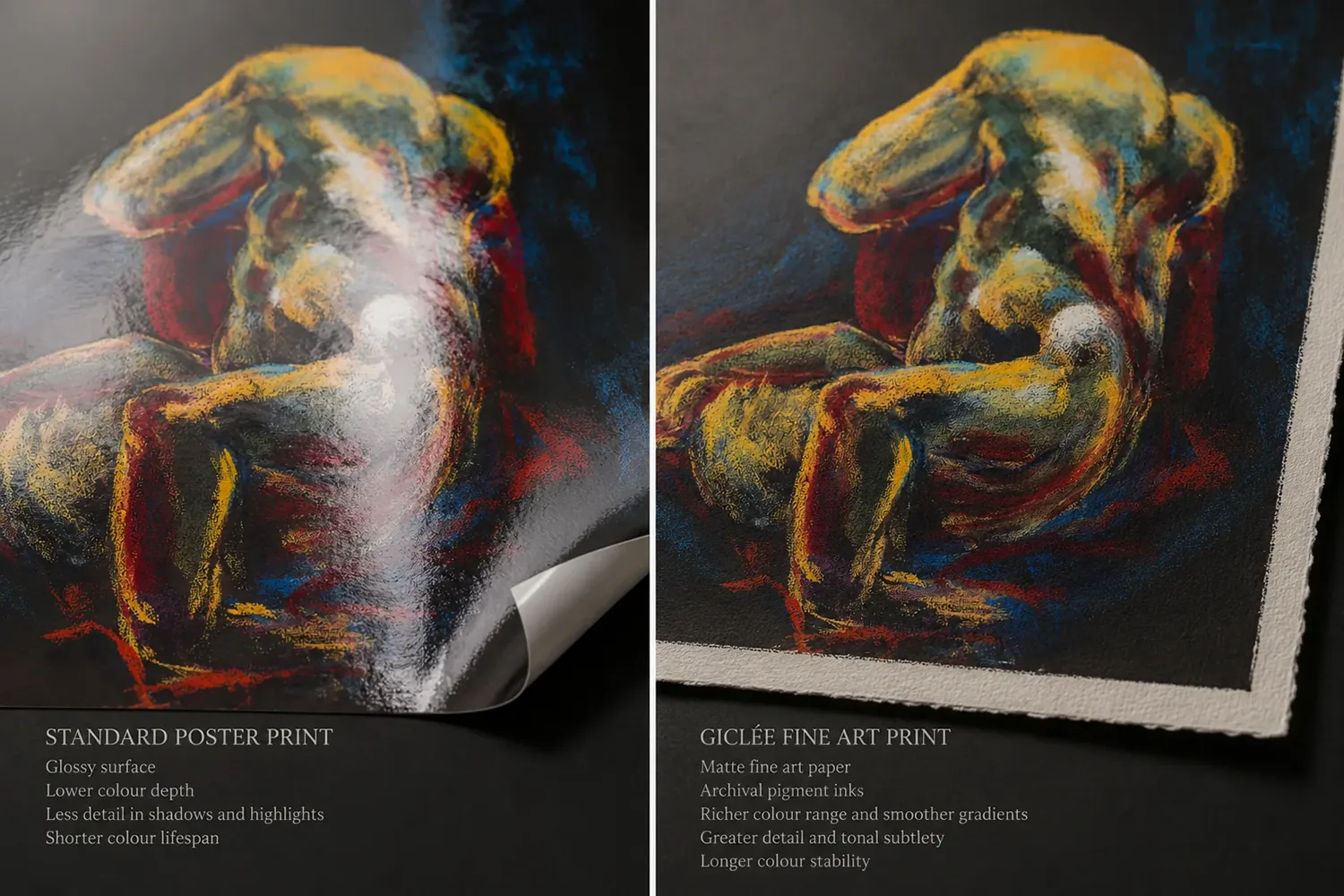
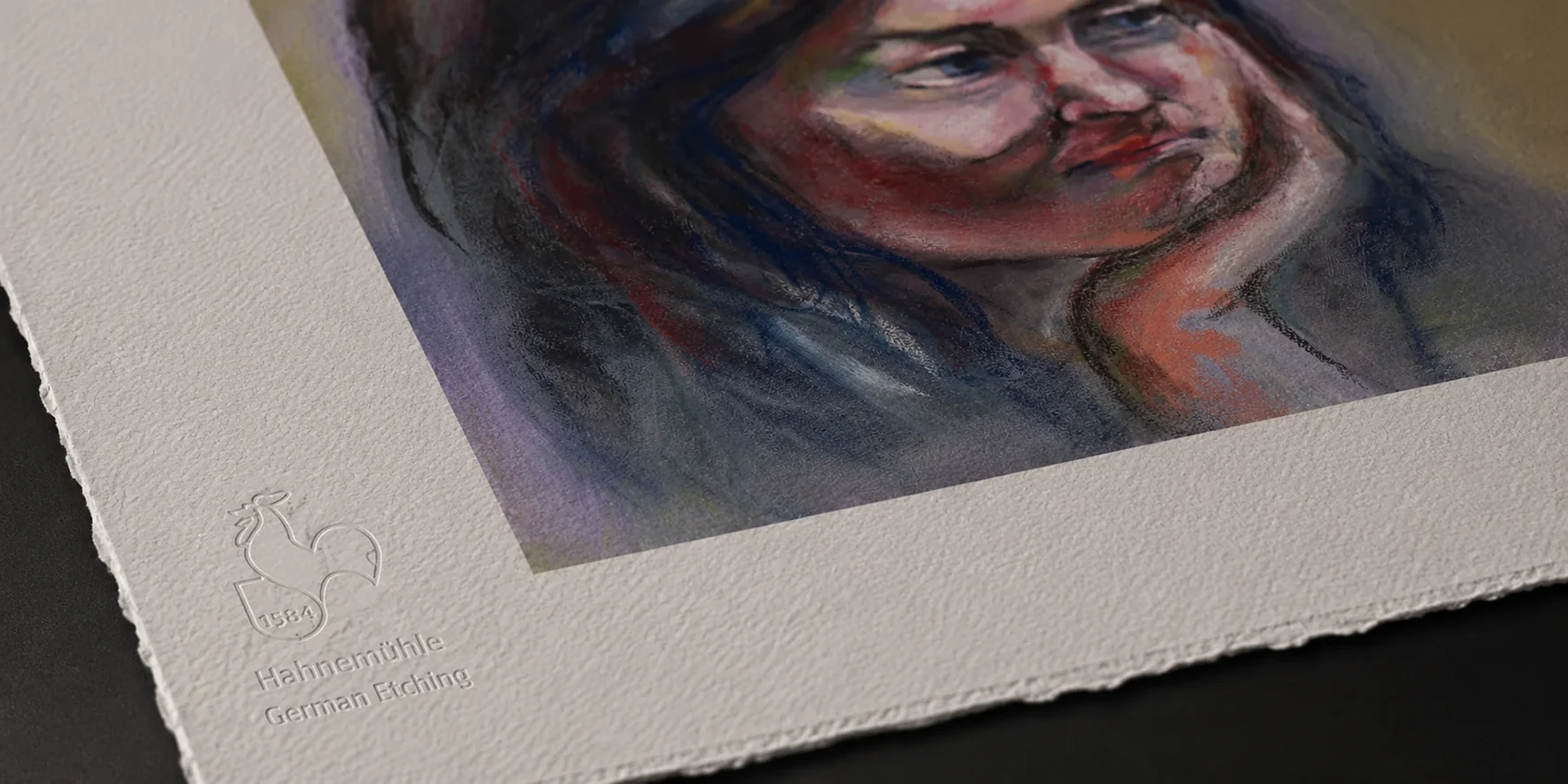
Quality was non-negotiable, so finding the right paper was just as important as finding the right print partner. Prodigi's Giclée prints on Hahnemühle German Etching paper proved to be the combination he was looking for. Its warm tone and pronounced texture suited the matte intensity of his soft pastel work particularly well.
"I wanted collectors to come as close as possible to the experience of the original — not only in colour, but also in scale, texture, atmosphere and presence."
Confident in the quality of the finished product, Bogdan began offering prints alongside his original paintings. Originals are expensive to create. Materials, studio space and time all come at a cost. Prints allowed Bogdan to make his work more accessible while preserving the value of his original paintings.
"I'm not trying to disguise reproductions as paintings" he says. "I'm trying to create the best possible encounter with the image in another form." Bogdan writes more on this distinction here.
True to that same thoughtful approach, Bogdan offers his prints and editions in just two sizes: an accessible edition and the original dimensions. "Museum-quality production means very little if the finished object is treated as disposable."
With the quality of his print offering established, the practical advantages of print on demand soon became just as important.
From Berlin to California
One order illustrated those advantages perfectly.
At the opening of one of his exhibitions, a friend visiting from London recognised one of Bogdan's painted figures as someone she knew — a woman who had since moved to California. She sent her a photograph of the painting, and the reply came back almost immediately: she wanted a print.
Within days, Bogdan had prepared the artwork and listed it in his online shop. Thanks to Prodigi's global print network, the order went straight into production at our in-house US fulfilment centre rather than being shipped from Berlin. There was no packaging, no customs paperwork and no trip to the post office. The print arrived faster than if Bogdan had produced and shipped it himself.
"The image crossed the Atlantic digitally; the physical print didn't have to."
Removing the friction with print on demand
For Bogdan, the value of print on demand extends far beyond logistics. His route to building an independent online business was shaped, in part, by the barriers he encountered in the traditional art world.
"The traditional art world remains, in many respects, a gated community. As an autistic artist, I don't fit its expected social mould particularly well. Navigating openings, institutions, professional networks and unwritten social codes consumes enormous amounts of energy — and sometimes excludes me before the work itself is even considered."
"What initially felt like exclusion from the physical market became motivation to explore the possibilities of the digital one. I began investing in my website, writing about my practice and developing a print on demand business capable of reaching collectors directly."
Supporting that business are several practical features that simplify day-to-day operations. As Bogdan's shop expanded from Etsy to Shopify, Prodigi's dropshipping integrations kept fulfilment running automatically, removing the need to process every order by hand. Paper-specific colour profiles allow him to optimise artwork for the exact paper it will be printed on, while live network updates help him keep collectors informed if production is disrupted.
"Being able to see whether a facility is dealing with a storm, power outage or another disruption means I can give collectors useful information rather than simply telling them their artwork hasn't arrived." That visibility makes it easier to manage customer expectations and respond professionally when delays occur.
Sustainability is another important consideration in Bogdan's practice. As he explains, "Print on demand doesn't make production impact-free — nothing does — but it avoids one of the most wasteful features of conventional manufacturing: producing large quantities of stock before knowing whether anybody wants them."
Instead of manufacturing, storing and transporting large volumes of inventory before demand is known, products are only created once a collector places an order, reducing the risk of unsold stock, unnecessary transport and avoidable waste.
What's next for Authistical Art?
More than a year into working with Prodigi, Bogdan is already thinking about what comes next. He's considering a limited-edition collection alongside a small range of carefully chosen products that reinforce his philosophy of slow and intentional art, including jigsaw puzzles. As he puts it, "What better way to spend time with an image than to reconstruct it through a thousand individual pieces?"
Print on demand has proved to be the business model that best supports the way Bogdan works, enabling him to build a practice around his own needs rather than the expectations of the traditional art world. "It allows me to work from a safer environment, preserve my limited social energy, avoid a chain of disabling logistical tasks and reach collectors far beyond the physical institutions that once seemed to control access to the art world."
While he recognises there's no one-size-fits-all approach for autistic creatives, the flexibility of print on demand allows Bogdan to spend less time managing logistics and more time focusing on the work that only he can create.
"I make the art. Prodigi helps it travel." Bogdan Jensen, Authistical Art