What is a zine? A practical guide on how to make a zine & zine printing
Tags
Interested in joining the world's leading print on demand platform?
Before blogs, social media and independent online publishing, there were zines.
Zines have been a cornerstone of DIY publishing for decades. Created outside traditional media, these small self-published booklets give creators complete freedom to share ideas, artwork and stories.
Originally made using photocopiers, scissors and staplers, zines were distributed through niche communities, music scenes and independent bookstores. Today, they appear in many forms – from simple folded mini zines to professionally printed magazines.
In this guide, we'll cover what a zine is, look at zine examples, and explain how to make, fold and print your own zine.
What is a zine?
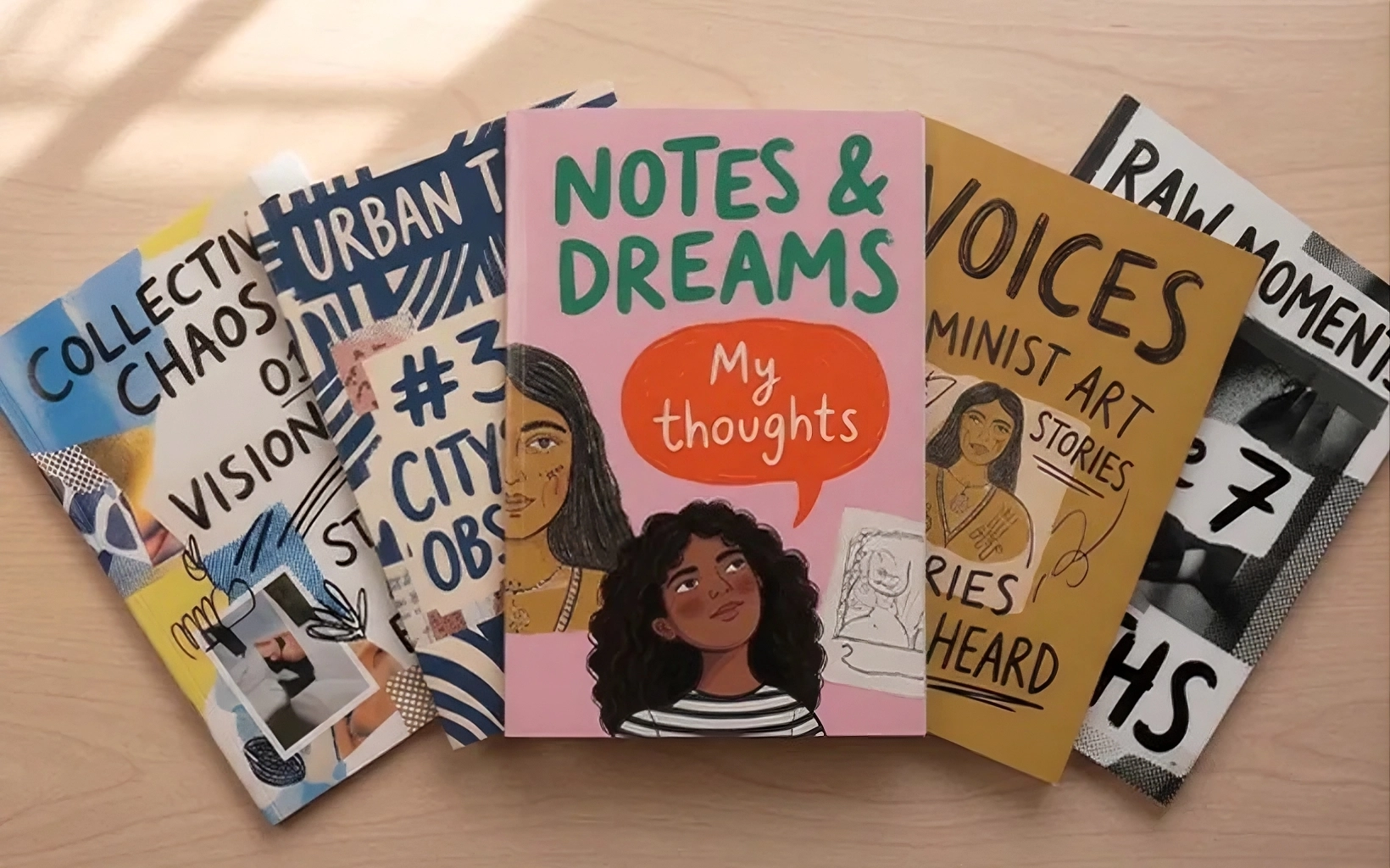
A zine (short for magazine or fanzine) is a small, self-published booklet created independently by individuals or small groups. Unlike traditional books and magazines, zines are typically produced without the involvement of publishers, media companies or commercial distribution networks.
What makes zines different is the freedom creators have to publish whatever they want. Zines have always been rooted in DIY culture, giving creators complete control over what they publish and how they share it.
Historically, zines were often made by hand using simple tools like typewriters, scissors, glue and photocopiers. Pages were assembled manually, copied in small batches and stapled together. They were then shared through niche communities, independent bookstores, music scenes and mail exchanges.
Because they exist outside mainstream publishing, zines have long been a space for unfiltered creativity, experimentation and personal storytelling.
A brief history of zines
The history of zines stretches back more than a century. Early forms appeared in the 1930s science fiction fandom, where enthusiasts created "fanzines" to discuss stories, share fan art and connect with other readers.
By the 1970s, zines became closely associated with the punk music scene. Fans and musicians created photocopied publications filled with interviews, music reviews, artwork and political commentary. These zines circulated at concerts and record stores, forming an important part of underground culture.
In the 1990s, the Riot Grrrl movement embraced zines as a platform for feminist activism, personal essays and community-building. These publications helped amplify voices that were often overlooked by mainstream media.
Across all of these movements, zines served the same purpose: giving people a way to publish ideas freely without needing permission from traditional publishers.
The evolution of zines
While classic zines were typically handmade, the concept has evolved alongside modern tools.
Today, creators make zines in many different ways. Some still favour the traditional DIY approach – photocopying pages, stapling them together and distributing them locally. Others design their zines digitally and print them professionally, using short-run printing or print on demand services to produce copies.
Modern zines can look like anything from simple folded mini booklets to beautifully designed magazines featuring photography, illustration or editorial content.
Despite these changes, the core idea remains the same: zines are independent publications driven by creative freedom rather than commercial publishing rules.
Zine examples
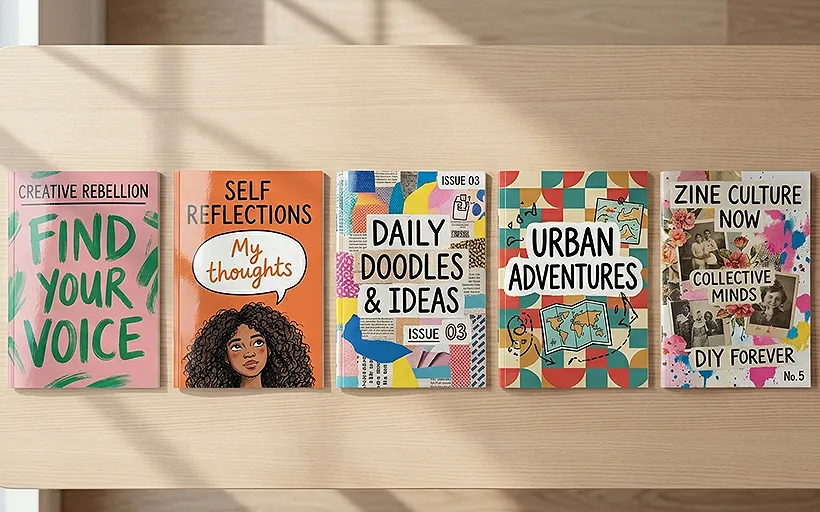
Zines come in countless formats depending on the creator's style and goals. Some of the most common types include:
Mini zines
Tiny booklets made from a single folded sheet of paper. These are often the simplest and most accessible type of zine – perfect for short stories, quick illustrations or experimental poetry.
Perzines
Short for "personal zines", these focus on autobiographical writing, diary-style storytelling or personal reflections. Perzines are one of the most intimate formats, capturing a creator's voice and perspective directly.
Art zines
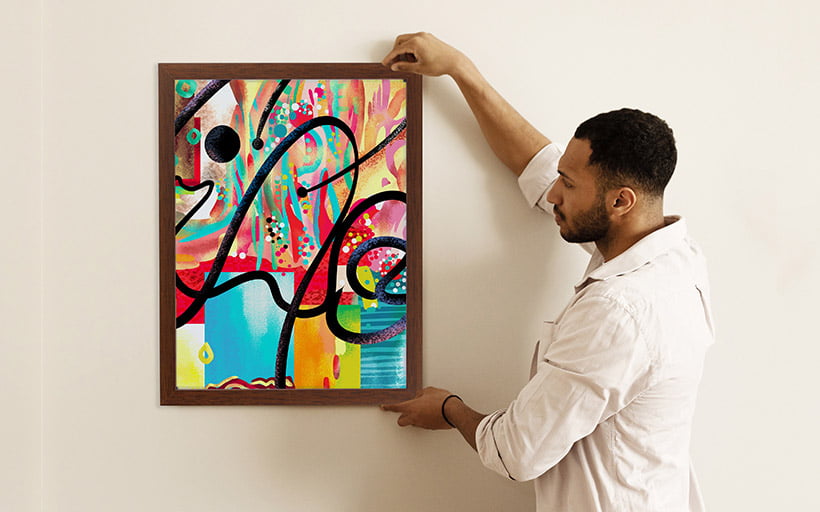
Collections of illustrations, comics, graphic design or mixed media artwork. Art zines are a popular format for independent artists looking to share their work outside of gallery or exhibition settings.
Photography zines
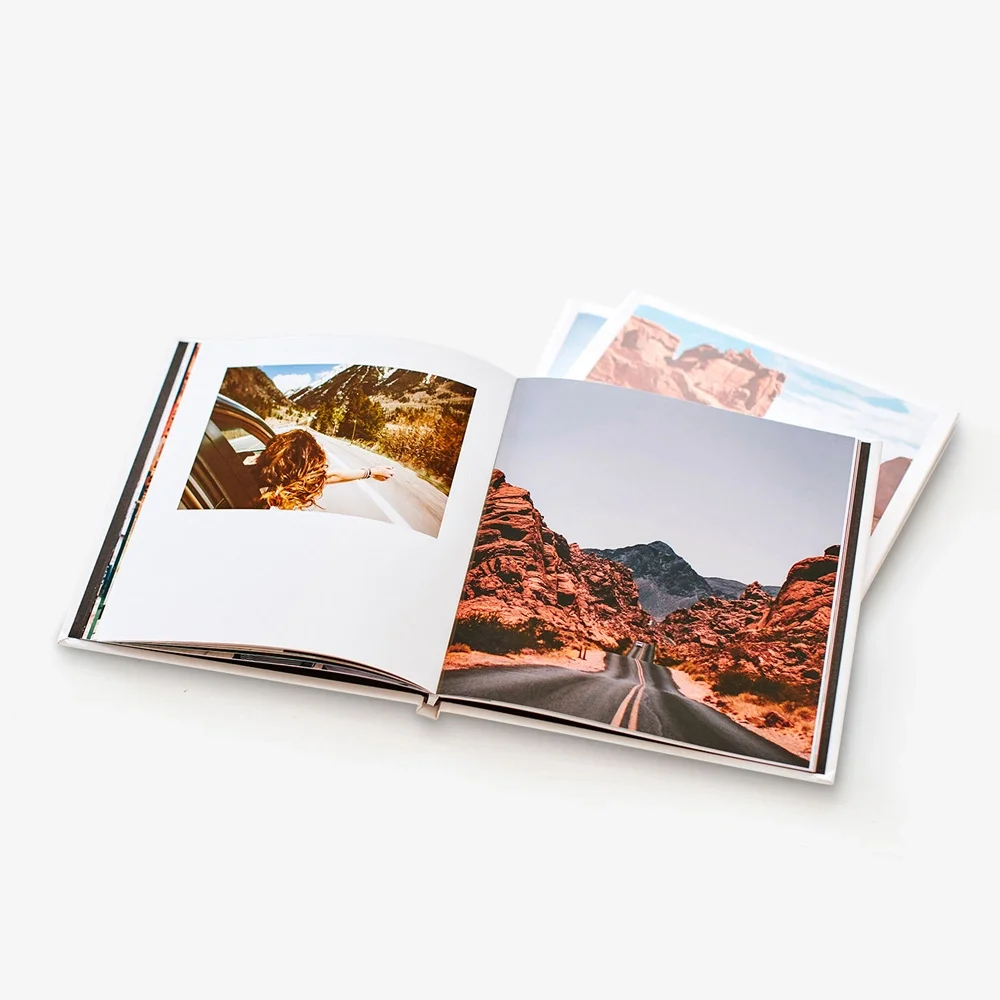
Visual publications showcasing photo series, documentary work or conceptual projects. Photography zines have become a respected format in fine art circles, used by photographers to self-publish work in a tangible, collectable form.
Collaborative zines
Group projects where multiple artists or writers contribute work around a shared theme. These are particularly common in creative communities and fandoms.
Because there are no strict rules, many zines blend several formats together.
How to make a zine
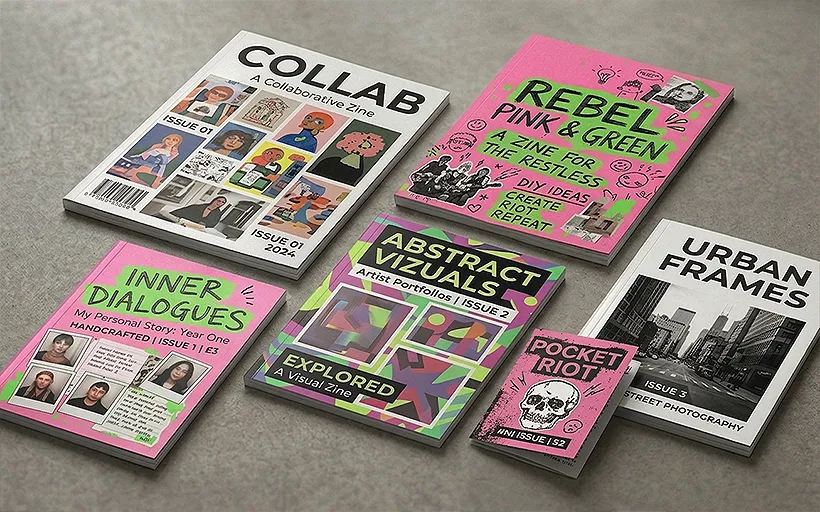
One of the best things about zines is how easy they are to create. You don't need expensive tools or publishing experience to get started.
Here's a simple step-by-step process.
Choose a theme
Most zines focus on a specific topic, idea or aesthetic. Your theme might be:
- a personal story or diary
- a photography series
- poetry or short writing
- illustrations or comics
- a niche hobby or community
Keeping the concept focused helps make your zine feel intentional and cohesive.
Create your content
Once you have a theme, start gathering material for your pages.
You might include:
- writing or essays
- drawings or illustrations
- photographs
- collage or mixed media
- scanned sketches or handwritten notes
Many classic zines mix different creative elements together.
Design the layout
Zines can be assembled in several ways.
Some creators prefer the traditional cut-and-paste method, arranging physical pages with scissors and glue before photocopying them.
Others design their zines digitally using layout software or illustration tools. This approach allows for more precise typography, image placement and colour control.
There's no right or wrong method – the best approach depends on the style you want to achieve.
How to fold a zine
A popular beginner format is the eight-page mini zine, which can be made from a single sheet of paper.
Here's how it works:
- Start with a sheet of paper and divide it into eight equal rectangles.
- Fold the sheet in half horizontally.
- Fold it again vertically.
- Cut a small slit in the centre fold.
- Refold the sheet and push the pages together to form a booklet.
This simple technique creates a compact eight-page publication that's perfect for small projects or experimental ideas.
If you want a higher-quality finish, our enhanced matte art prints are ideal for folded zines. This 200gsm fine art stock takes ink beautifully and folds cleanly, giving your pages a tactile, gallery-quality feel.
Zine printing options
Traditionally, zines were printed using photocopiers, which made it easy and inexpensive to produce small batches.
Today, creators have several printing options depending on their goals.
Home printing
Printing at home is one of the most accessible methods. You can produce small runs quickly and assemble them yourself using staples or simple bindings. Home printing works well for zines with straightforward black-and-white layouts, though colour accuracy and paper quality are limited compared to professional printing.
Local print shops
Many creators use independent print shops to produce higher-quality zines in short runs. This can improve paper quality and print consistency while still maintaining a small-scale DIY feel. It's a good option if you want a more polished result without committing to a large print run.
Print on demand
Print on demand offers a modern alternative. Instead of printing dozens or hundreds of copies upfront, each copy is produced only when it's ordered.
This approach suits independent creators and small publishers who want to:
- avoid holding unsold inventory
- reduce upfront printing costs
- experiment with new designs without financial risk
- sell zines online to a global audience
- scale up gradually as their readership grows
Print on demand has made independent magazine-style publishing genuinely accessible. You can sell a professionally printed zine to someone on the other side of the world without ever handling a physical copy yourself.
Zine printing vs magazine printing
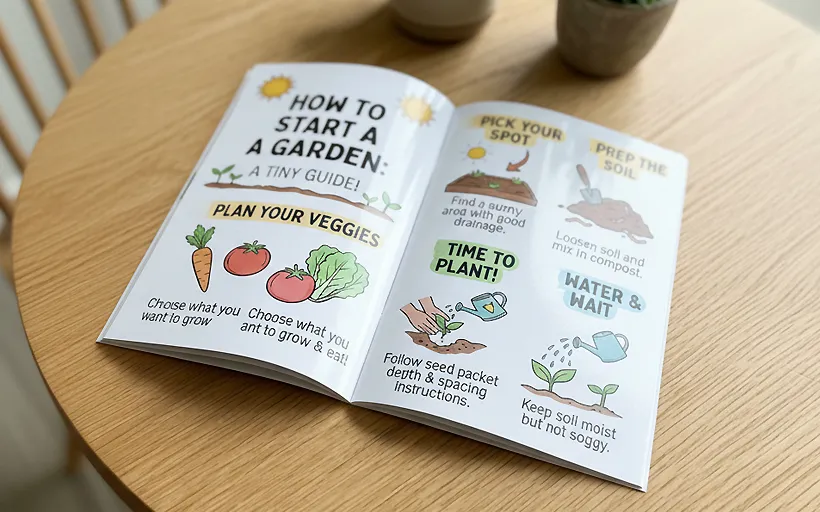
As your publication grows, you may find the line between a zine and a magazine starts to blur. Both are self-contained printed publications, but they typically differ in production scale, distribution and finish.
Traditional magazine printing involves larger print runs, commercial distribution and professional print management. Zines are typically smaller-scale and self-distributed, though many successful zines have eventually crossed over into magazine territory.
With modern print on demand, the distinction matters less than it used to. You can produce a professionally printed, magazine-quality publication in any quantity – even a single copy – without committing to a large commercial print run. This makes it easier to test formats, build an audience and scale up if demand grows.
Selling your zine online
Once your zine is ready to print, the next step is getting it in front of readers. Many independent creators now sell their zines directly through online stores, marketplaces or their own websites.
Using a print on demand platform means you can list your zine for sale without holding any physical stock. When someone places an order, it's printed and shipped directly to them. This model works well for:
- artists and illustrators selling limited-edition art zines
- photographers selling photo zines as collectables
- writers distributing perzines to a dedicated readership
- communities producing collaborative zines for their members
It removes the logistical burden of self-distribution, letting you focus on creating rather than fulfilment.
Print and sell your zine with Prodigi
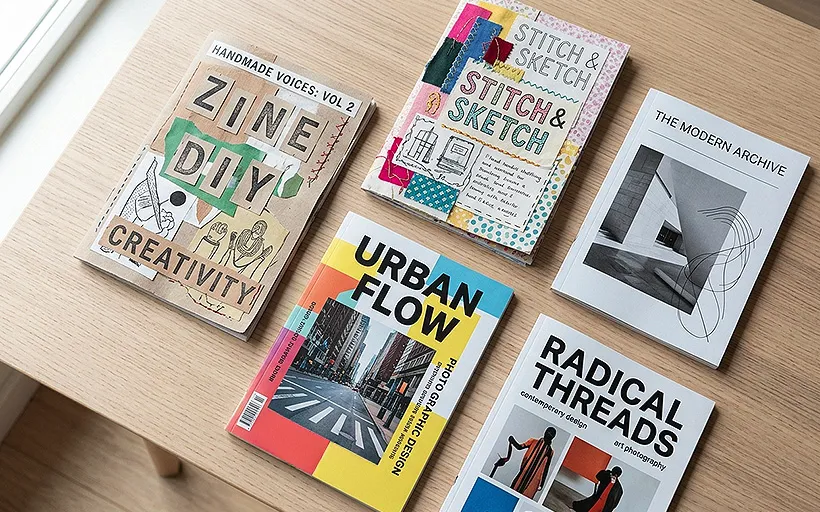
Prodigi is a global print on demand platform that lets you print and sell zines, photo books, magazines and other printed publications with no minimum order quantities. Orders are produced via our global fulfilment network, with direct dropshipping to your customers.
You can sign up for free and start selling immediately. Prodigi handles the printing, packing and shipping for you – you keep creative control and set your own prices.
Whether you're printing a one-off personal project or building a catalogue of independent publications, print on demand gives you the flexibility to create on your own terms.
Frequently asked questions
What are zines?
Zine is short for magazine or fanzine. The term originally referred to fan-produced publications in 1930s science fiction communities and was later adopted more broadly to describe any small, self-published booklet produced outside traditional publishing channels.
What's the difference between a zine and a magazine?
The main difference is one of scale and production. Magazines are typically produced commercially, involve large print runs and are distributed through mainstream channels. Zines are self-published, usually produced in small quantities and distributed independently. The boundary has become less clear with modern print on demand services, which allow creators to produce magazine-quality publications in any quantity.
What size should a zine be?
The most common zine sizes are A5 (half of A4), A6 and US half-letter. These formats work well with standard paper sizes and keep printing costs manageable. Square formats are also popular for art zines.
If you're printing through Prodigi, magazines are available in A4, A5 and US Letter – all standard zine-friendly sizes.
How many pages should a zine be?
There's no fixed rule, but most zines run between eight and 40 pages. The classic mini zine format is eight pages made from a single folded sheet. Longer zines tend to use saddle-stitch or perfect binding, similar to standard magazines.
Prodigi magazines start at a minimum of 18 pages – so slightly longer zines are a natural fit for the format.
What binding is used for zines?
It depends on the format and page count. Mini zines made from a single folded sheet need no binding at all – just a fold and, optionally, a staple through the spine. Slightly longer zines typically use saddle-stitch binding, where folded pages are stapled together along the centrefold. For thicker publications, perfect binding or PUR binding gives a flat, squared spine – ideal if you want your zine to stand upright on a shelf or display a title on the spine.
Our magazines use PUR binding, which is up to 50% stronger than standard perfect binding.
What paper is best for printing zines?
For home printing and photocopier zines, standard 80–90gsm copier paper is common. For professionally printed zines, uncoated matte stocks between 100–170gsm give a clean, tactile feel. Heavier stocks and cover wraps are worth considering if you want a more premium magazine-style finish.
Prodigi magazines use 115gsm silk-coated interior pages with a 250gsm laminated cover, available in matte or gloss – a step up in quality that works well for photography-led or art-focused zines.
Can I sell my zine online?
Yes. Many independent creators sell zines through platforms like Etsy, Gumroad or their own online store. Using a print on demand service means you can fulfil orders without holding physical stock – each copy is printed and shipped when an order is placed.
How much does it cost to print a zine?
Costs vary depending on the printing method, page count, paper stock and quantity. Home printing can cost just a few pence per copy for simple black-and-white zines. Professional short-run printing typically costs more per copy but produces better results. Print on demand removes upfront costs entirely – you only pay per copy when an order is placed.
What is a perzine?
A perzine (personal zine) is a self-published booklet focused on the creator's own experiences, thoughts and life. Perzines are one of the oldest zine formats and are closely associated with the diary-writing and autobiographical storytelling traditions of independent publishing.
Ready to print your zine?
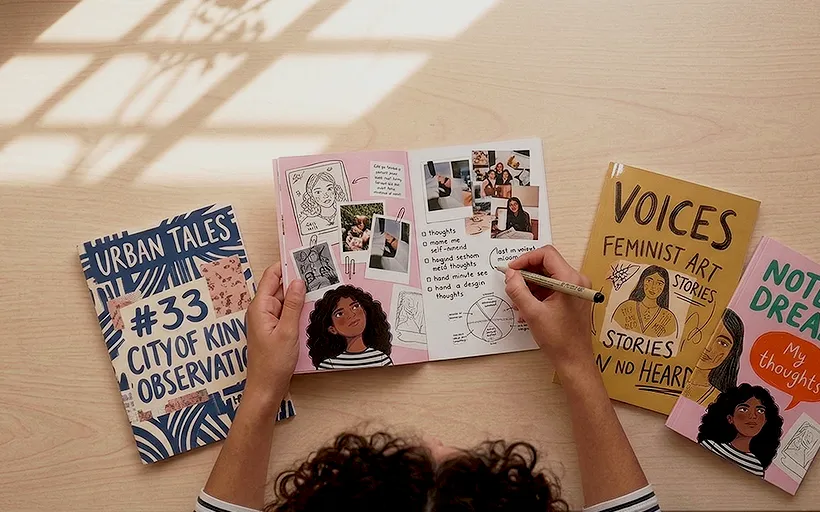
Upload your files and start selling magazine-quality zines worldwide — no minimums, no upfront costs.